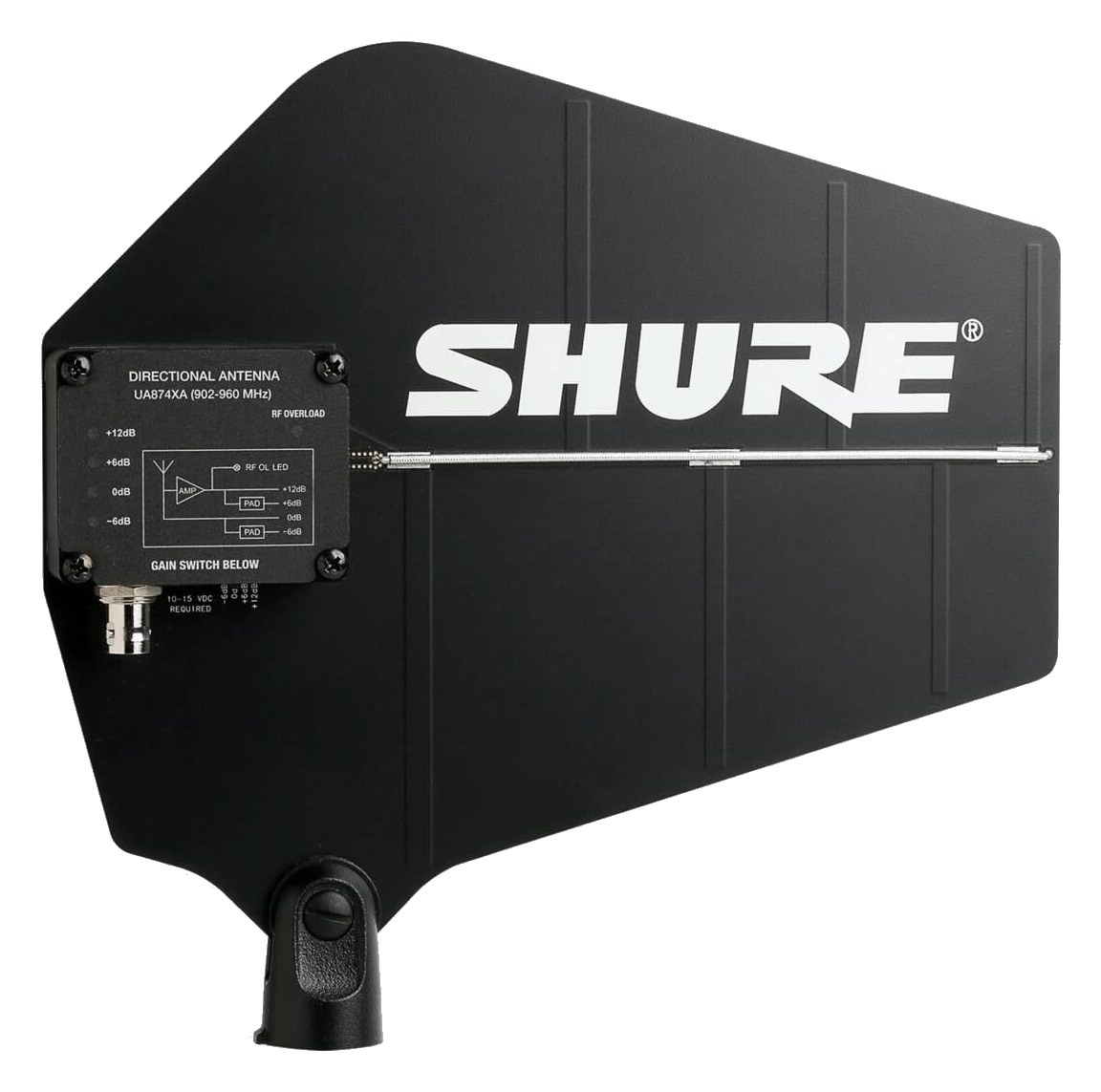
RF Venue Diversity Fin Antenna
RF Venue·Model DFIN·rf-venue-diversity-fin
Photos
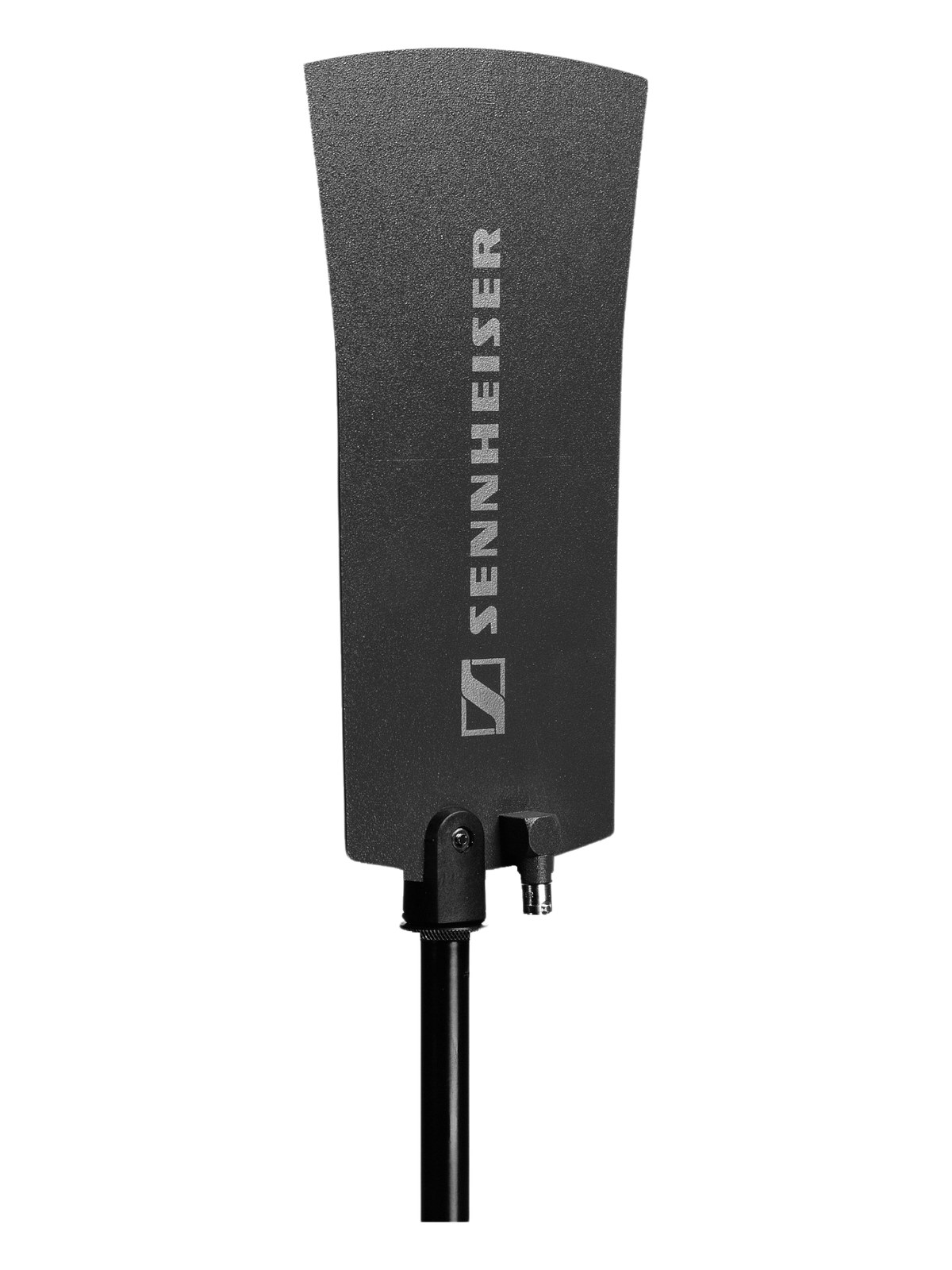
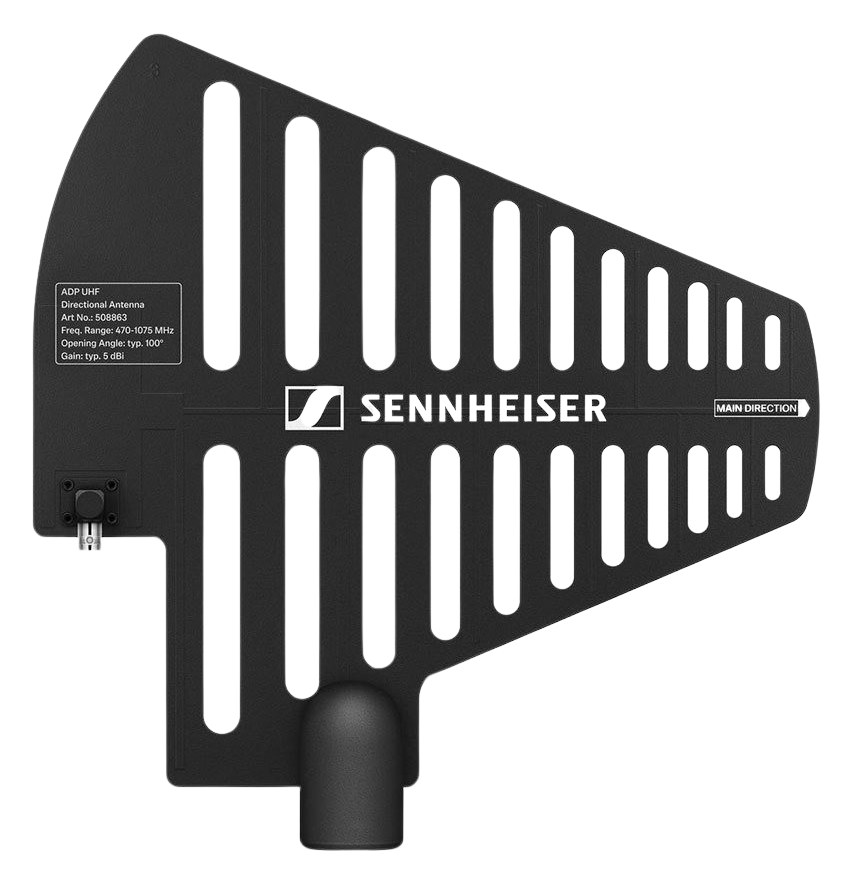
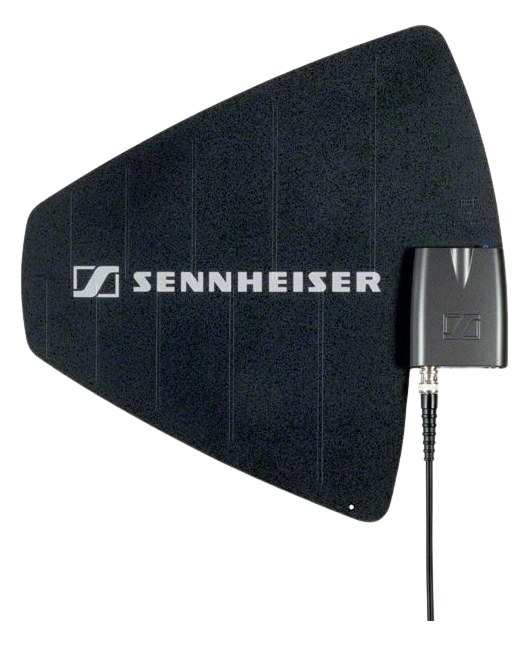
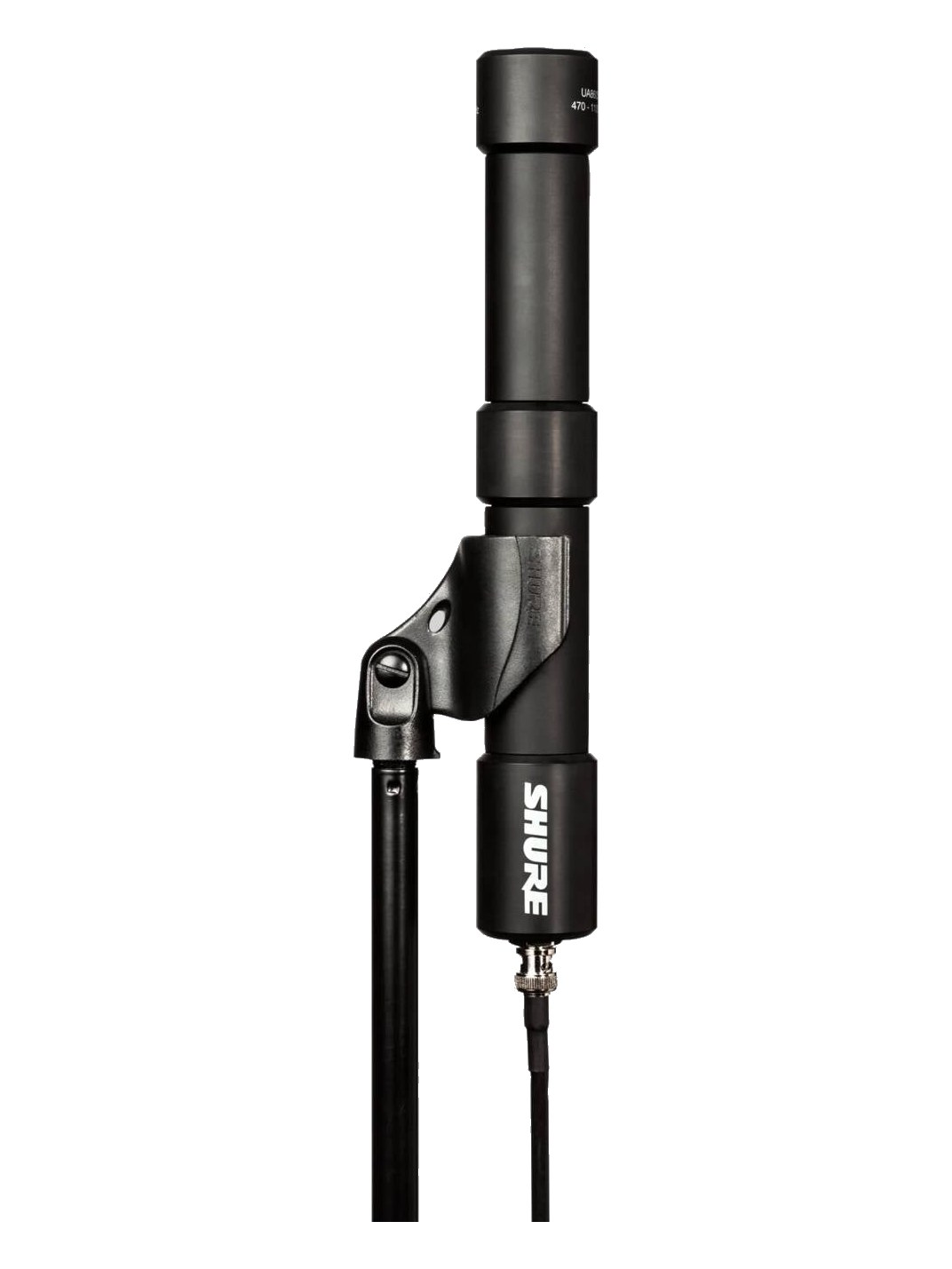
Manufacturer product photography — the drawn faceplate above stays true to panel layout; these show the hardware itself.
About the RF Venue DFIN
The RFRadio Frequency — the wireless part of wireless. RF planning is why big rigs scan, coordinate, and combine antennas instead of hoping. Venue DiversityA receiver with two antennas and two radio sections that continuously picks the stronger one — the difference between a dropout and a show. Fin is the shark-fin-shaped fix for dropoutA brief audio gap when the radio link fails — the thing diversity, distros, and coordination all exist to prevent.: instead of two identical paddlesA directional antenna (paddle, LPDA, helical) aimed at the stage — focuses coverage where the performers are and rejects RF from elsewhere., it stacks a vertical LPDA and a horizontal dipole in one housing, so a bodypack antenna that swings off-axis still hits one polarization at full strength. Both diversity feeds come from a single stand or truss mount — one antenna to rig, two coax runs back to the distroOne pair of antennas feeding many receivers through an amplified splitter — replaces the forest of whips and keeps RF levels consistent.. Passive and wideband across the post-auction UHFThe TV-band radio range (roughly 470–608 MHz in the US) where serious wireless mics and IEMs live — better behaved than crowded 2.4 GHz. core, it works in front of Shure, Sennheiser, or any 50-ohm BNCThe twist-lock coax connector used for word clock and antenna runs — it locks, so it can’t be pulled out mid-show. distribution.
Passive cross-polarized diversityA receiver with two antennas and two radio sections that continuously picks the stronger one — the difference between a dropout and a show. antenna, 470–698 MHz. Orthogonal LPDAA directional antenna (paddle, LPDA, helical) aimed at the stage — focuses coverage where the performers are and rejects RF from elsewhere. (5 dBd) + dipole (1.8 dBd) elements in one housing; two BNCThe twist-lock coax connector used for word clock and antenna runs — it locks, so it can’t be pulled out mid-show. feeds (one per polarization) replace a traditional paddle pair.
I/O Ports (2)
| Port | Connector | Direction | Signal | Channels |
|---|---|---|---|---|
| Antenna A — LPDA (BNC) | BNC | bidirectional | antenna | — |
| Antenna B — Dipole (BNC) | BNC | bidirectional | antenna | — |
Related gear